

Introduction
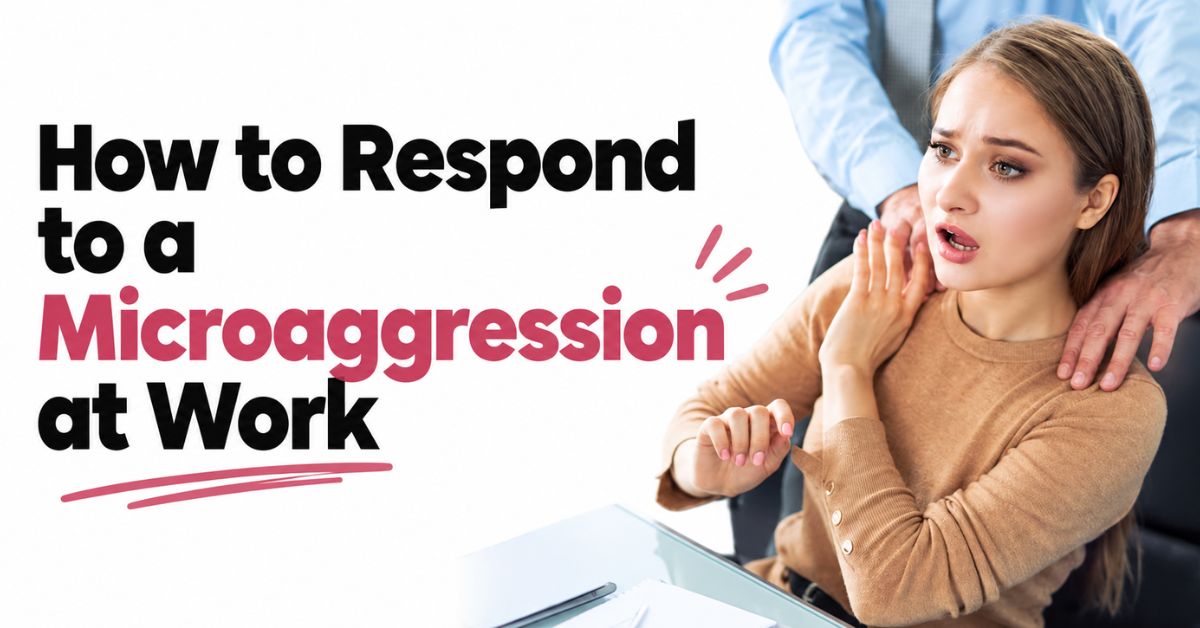
A small comment can sting for hours, even days. Maybe a coworker joked about your accent. Maybe someone assumed you were the assistant instead of the manager.
These sharp little moments are called microaggressions. They happen more often than people admit. Many people search for how to respond to a microaggression at work because they want to protect their dignity without starting a fight.
This guide walks you through calm, clear ways to handle these moments. You will learn what a microaggression is, why it happens, and how to respond in the moment or later.
We will also share sample lines, quick tables, and answers to common questions. By the end, you will feel ready to protect your peace while staying professional under pressure.
None of this requires a big speech or a dramatic confrontation. Most of the time, a short, steady line does more good than a long explanation ever could.
What Counts as a Microaggression at Work
Before you learn how to respond to a microaggression at work, it helps to know what the word means. A microaggression is a small comment or action that carries a hidden insult. It often targets your race, gender, age, accent, or background.
The person saying it may not even notice the harm. It often comes from an old bias rather than open hate.
Common examples include a coworker saying “you speak so well” to someone from another country. Another example is a manager always asking the same person to explain “how things work here” to new hires.
These moments feel small on their own. Over time, though, they add up and can wear a person down. Unlike open insults, microaggressions can be hard to prove or explain to others, which makes them frustrating.
Knowing the pattern helps you feel less confused. It also helps you feel more ready the next time it happens to you or someone near you.
Why People Say a Microaggression at Work Without Meaning Harm
Understanding how to respond to a microaggression at work gets easier once you understand the person behind the comment. Most people who make these remarks are not trying to hurt you on purpose.
They often grew up around certain beliefs. They never had a reason to question them. Some comments come from simple habit, since the person has repeated the same joke for years without pushback.
Other comments come from clumsy curiosity, such as asking “where are you really from” over and over. This does not excuse the comment. It does, however, explain why a calm response often works better than an angry one.
Once you understand the root cause, you can choose your words with more control. Staying calm is not weakness. It is simply the response that protects your energy while making your point clear.
How to Respond to a Microaggression at Work in the Moment
The heart of this guide is learning how to respond to a microaggression at work right when it happens. Start by pausing for a second instead of reacting instantly. A short pause helps you choose calm words.
Next, name what happened in a short, simple sentence. Try saying “That comment felt a bit off.” Keep your tone steady rather than loud, because a calm voice often lands better than a sharp one.
You can also ask a simple question back, like “What did you mean by that?” This pushes the other person to think about their own words.
Avoid long speeches in the moment. Short lines are easier for both sides to handle.
If the moment feels too tense to address right away, that is fine. You can simply say you will talk about it later. Trust your gut on timing, since not every comment needs an instant reply.
Sample Lines for Responding to a Microaggression at Work
Seeing real examples can make how to respond to a microaggression at work feel less scary. Below is a table with sample lines for different situations.
| Situation | Sample Response |
| Comment about your accent | I know my accent is different, but I would like it if we focused on the point I made. |
| Assumed to be junior staff | Just to be clear, I am the lead on this project, not the assistant. |
| Joke about your background | That joke felt a bit off to me. Can we keep things focused on work? |
| Being talked over in meetings | I was not finished with my point; let me just wrap that up. |
| Backhanded compliment | Thanks, though I would rather my work speak for itself than my background. |
These lines stay short and steady. They do not attack the other person, but they do make your feelings clear.
Feel free to adjust the wording to match your own voice. Your tone matters more than your exact words.
Talking to HR About a Microaggression at Work Pattern
Sometimes a single comment is not the real problem. The pattern behind it is. Part of learning how to respond to a microaggression at work is knowing when to raise the issue with HR.
Before you speak up, write down what happened. Note the date, the words used, and how it made you feel. This record helps you stay clear and factual instead of relying on memory alone.
When you talk to HR, keep your tone calm. Focus on the pattern rather than one small moment, since patterns are easier for HR to act on. Ask what steps the company can take, rather than only venting your frustration.
An anonymous reporting system, if your workplace has one, can feel safer for some people. Speaking up does not make you dramatic. It protects you and any coworker facing the same comments in silence.
Taking Care of Yourself After a Microaggression at Work
Responding well is only part of the picture. Learning how to respond to a microaggression at work also means protecting your own mind afterward.
Feeling tired, annoyed, or even a bit sad after one of these moments is normal. This can happen even if you handled it calmly on the outside. Give yourself a short break if you can, even just a few minutes away from your desk.
Talk to someone you trust, whether that is a friend, a mentor, or a coworker who understands. Try not to carry the moment into every task for the rest of the day. That habit can drain your focus on other work.
Remind yourself that the comment reflects the other person’s bias, not your worth. Small acts of self-care, like a short walk or a quiet coffee break, can help you reset before your next task.
Building a Workplace Culture That Reduces Microaggressions at Work Moments
Beyond single replies, real change comes from culture. Long-term thinking about how to respond to a microaggression at work should include steps that reduce these comments over time.
Teams can build simple habits, such as calling out biased jokes as soon as they happen. Managers can hold short trainings that explain common microaggressions without shaming anyone directly.
Coworkers can support each other by backing up a colleague who just faced an awkward comment. Companies can create clear paths for reporting patterns, so employees do not feel alone.
Small, steady changes in daily habits add up faster than big, rare training days. When a whole team commits to noticing these small moments, the workplace becomes calmer for everyone.
Leaders who model this behavior send a clear signal to the rest of the team. People notice when a manager gently corrects a biased comment in real time, and that example often does more than any formal policy.
Quick Reference Table for Responding to a Microaggression at Work
| Instead of Staying Silent | Try Saying This |
| Letting the comment slide | That comment felt a bit off; can we move on from that? |
| Laughing along out of nerves | I would rather we kept the focus on the work itself. |
| Ignoring the pattern | I have noticed this a few times; can we talk about it? |
| Venting only to friends later | I want to raise this with HR, so it is on record. |
| Feeling stuck in the moment | Let’s circle back to this after the meeting. |
This table gives you quick, calm phrases for common moments. Keep it close by so you feel ready the next time a small comment catches you off guard.
Microaggression at Work Examples Across Different Roles
Not every workplace looks the same. It helps to see how a response to a microaggression at work plays out across different roles.
In an office setting, a common example is a manager always asking the same junior staffer to take notes, based on gender rather than job title. In a retail or service job, a customer might comment on an employee’s accent, forcing the worker to reply while staying professional in front of others.
Remote work brings its own version of these moments. A coworker might repeatedly misspell or mispronounce someone’s name on video calls without ever trying to correct it.
In healthcare and client-facing jobs, patients sometimes question a worker’s skill based on age rather than actual training. Across all these settings, though, the core response stays similar: stay calm, name the pattern, and decide when a bigger conversation is worth having.
When to Escalate Beyond a Microaggression at Work Comment
Some situations move past a single awkward remark. Learning how to respond to a microaggression at work also means knowing when a comment crosses into harassment that needs formal action.
Frequent or targeted comments are a warning sign, especially when they touch your pay or promotion. In these cases, keep detailed written records with dates, exact words, and any witnesses present.
Reach out to HR or a trusted manager. Describe the pattern clearly, focusing on facts rather than only feelings. Many companies also offer outside hotlines for cases where internal reporting feels unsafe.
Trust your own sense of when a line has been crossed. You know your workplace and comfort level best. Escalating is not overreacting; it simply matches your response to the size of the problem.
Workplaces that take these steps seriously build stronger trust between staff and leadership over time. Even one clear case handled fairly can set a tone that others remember for a long time.
Read more for info: https://responseburst.com/how-to-respond-to-a-welcome-to-the-team-message/
Final Thoughts
Responding to a microaggression at work is less about winning an argument. It is more about protecting your own peace while staying clear about what crossed a line.
A calm, short reply often does more good than a long one. Knowing when to escalate matters just as much as knowing what to say in the moment.
Keep the sample lines and reference table close by. Remember that a steady tone almost always lands better than a sharp one. Over time, small, consistent responses like these help build a workplace where fewer of these comments happen at all.
Frequently Asked Questions on How to Respond to a Microaggression at Work
What exactly is a microaggression?
A microaggression is a small comment or action that carries a hidden insult. It is often tied to race, gender, age, or background, even when the speaker means no harm. It can show up as a backhanded compliment, an assumption, or a “joke” that lands wrong.
Should I respond right away or wait until later?
Both choices are fine. A short reply in the moment works well if you feel calm and ready. Waiting and raising it later is just as valid when the moment feels too tense.
What if my manager is the one commenting?
Stay calm and factual. Consider raising the pattern with HR if it keeps happening. Written notes about dates and words used can help support your case.
Is it okay to just ignore small comments sometimes?
Yes, you do not owe a response every time. Protecting your energy matters, so you get to choose which moments are worth addressing directly.
How do I bring this up without sounding dramatic?
Keep your tone calm and your sentences short. Focus on specific words or actions rather than broad statements about someone’s character. Small, factual language almost always lands better than a heated tone.